
Saudi Arabia’s rapidly developing construction industry is delivering larger, more complex projects than ever before. Behind every development are thousands of people working with heavy equipment, multiple contractors, demanding schedules, and high-risk activities.From an HSSE perspective, building a strong safety culture means going beyond rules and procedures. Policies, risk assessments, permits, inspections, audits, and training provide the necessary foundation but real safety begins when people understand the risks and take ownership of their actions.A strong safety culture is visible in everyday decisions: when leaders put safety ahead of schedule pressure, supervisors challenge unsafe conditions, workers speak up about hazards, and contractors stop work when critical controls are missing.Ultimately, safety is not measured only by statistics, completed inspections, or the number of training sessions delivered. It is reflected in the behaviour, decisions, and commitment of everyone on the project.
Saudi Arabia’s Growth and the Responsibility to Protect People
Saudi Arabia is developing at a remarkable pace. Across the Kingdom, major buildings, roads, infrastructure, industrial facilities, and transformative developments are changing the landscape and creating new opportunities.Behind these projects are thousands of workers who come to the workplace every day to turn plans and designs into reality.Construction, however, remains a high-risk industry. Workers may be exposed to heavy machinery, moving vehicles, electrical systems, lifting operations, excavations, work at height, and extreme heat.The challenge is significant. The International Labour Organization (ILO) estimates that nearly 3 million workers die every year worldwide from work-related accidents and diseases. Occupational injuries and diseases continue to create a major human and economic cost for workers, organizations, families, and society.These numbers reinforce an important principle: safety is not simply a company requirement. It is a responsibility to people and their families.
Leadership Makes the Difference
A strong safety culture starts with leadership.Workers observe what managers and supervisors do. If leaders talk about safety but allow unsafe work to continue because of deadlines or commercial pressure, the message is clear: production comes first.The opposite is equally powerful.When a leader stops unsafe work and says, “Let’s make this safe before we continue,” everyone understands that safety is a genuine priority.Research across the safety profession consistently demonstrates that leadership commitment is a critical factor influencing safety performance. Safety leadership, therefore, cannot be limited to the HSSE department. It must be demonstrated throughout the organization from senior management to project leadership, supervisors, engineers, contractors, and workers.As an HSSE Lead, I believe effective leaders should regularly visit work areas, speak directly with workers, ask questions, listen to concerns, and demonstrate through their decisions that safety is a real priority.
People often follow what leaders do more than what they say.
Listen to the Workforce
Workers are often closest to the risks.They understand the work, equipment, processes, and practical challenges on site. Their experience can provide valuable insight into hazards that may not always be visible through documentation or formal inspections.For this reason, workers should feel comfortable speaking up when something does not look right.A worker who says, “I don’t think this is safe,” should be listened to and not ignored.Toolbox talks and daily meetings should also be more than a formality or a checklist item. They should create an opportunity for workers and supervisors to discuss what they are doing, what could go wrong, and how the activity can be performed safely.Sometimes, a simple five-minute conversation before starting a high-risk activity can identify a problem before it becomes an incident.
The strongest safety cultures are those where people feel heard.
Empower People to Stop Unsafe Work
One of the clearest indicators of a mature safety culture is the confidence people have to stop unsafe work.If a worker identifies damaged equipment, missing protection, an unsafe excavation, inadequate controls, or another serious hazard, they should have the confidence and authority to stop the activity and report the concern.
- Stopping work should not be viewed as failure.
- It should not be treated as an unnecessary delay.
- It should be recognized as a responsible safety decision.
- A few minutes spent correcting a hazard is far better than dealing with the consequences of an accident later.
Creating this environment requires more than a formal “Stop Work Authority” procedure. It requires trust. Workers must know that raising a safety concern will not result in blame, intimidation, or negative consequences.When people are empowered to speak up and act, safety becomes part of the way work is performed, not something added after a problem occurs.
Beyond Compliance
Compliance is essential, but compliance alone does not create a strong safety culture.A project can have procedures, permits, inspections, risk assessments, training records, and audit reports and still have unsafe behaviours if people do not believe in the purpose behind those systems.The goal should therefore be to move from compliance to commitment.A mature safety culture exists when people do the right thing even when nobody is watching.It is reflected in the supervisor who challenges an unsafe practice, the engineer who raises a concern before work begins, the contractor who refuses to bypass a critical control, and the worker who speaks up because they understand that safety is everyone’s responsibility.
This is where safety management becomes more than documentation.It becomes part of organizational culture.
Making Safety a Shared Responsibility
In Saudi Arabia’s fast-growing construction sector, creating a strong safety culture is essential to protecting the workforce that drives the Kingdom’s development.Procedures, standards, regulations, and compliance requirements provide the framework. But lasting safety depends on people.Leadership commitment, workforce participation, open communication, accountability, and the confidence to stop unsafe work are the foundations of a safe and successful project environment.As an HSSE professional, I believe safety must be embedded in every decision from the boardroom to the worksite.When leaders lead by example, workers are empowered to speak up, and contractors remain committed to maintaining critical controls, safety becomes a shared responsibility rather than a regulatory obligation.Saudi Arabia’s transformation will continue to create ambitious projects, new industries, and opportunities for thousands of people. The success of that transformation should not be measured only by what we build, but also by how responsibly we build it.Because behind every project, there are people.And ultimately, every worker deserves to return home safely at the end of every day.By fostering a culture where safety is valued, respected, and integrated into daily operations, the construction industry can continue supporting Saudi Arabia’s ambitious growth while ensuring that human life remains the highest priority.
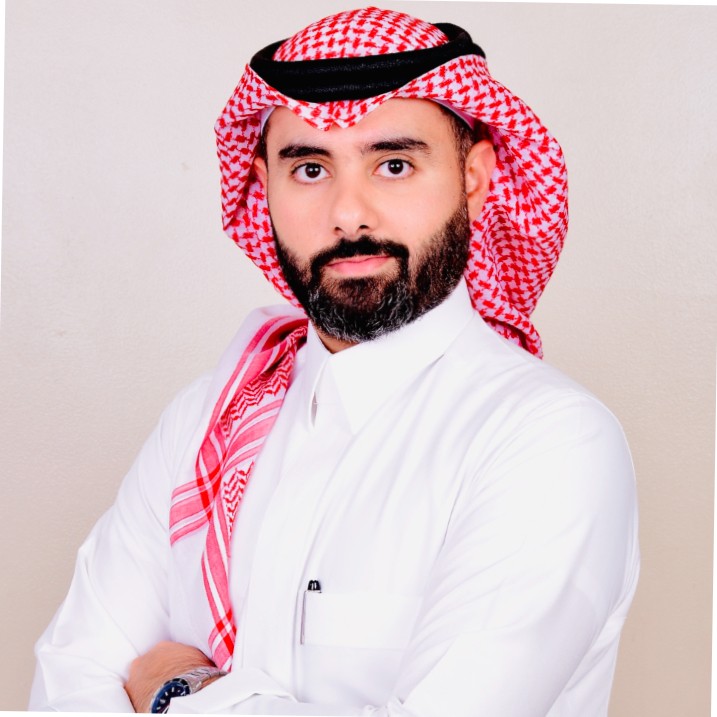
Sami Alghamdi is a dedicated HSSE professional with a strong commitment to safety, quality, risk management, and operational excellence.