
By Shahzad Ali, PMP®, P3O®, LEED AP
Program & Project Delivery Leader
Riyadh’s Transformation and the Rise of Sustainable Delivery
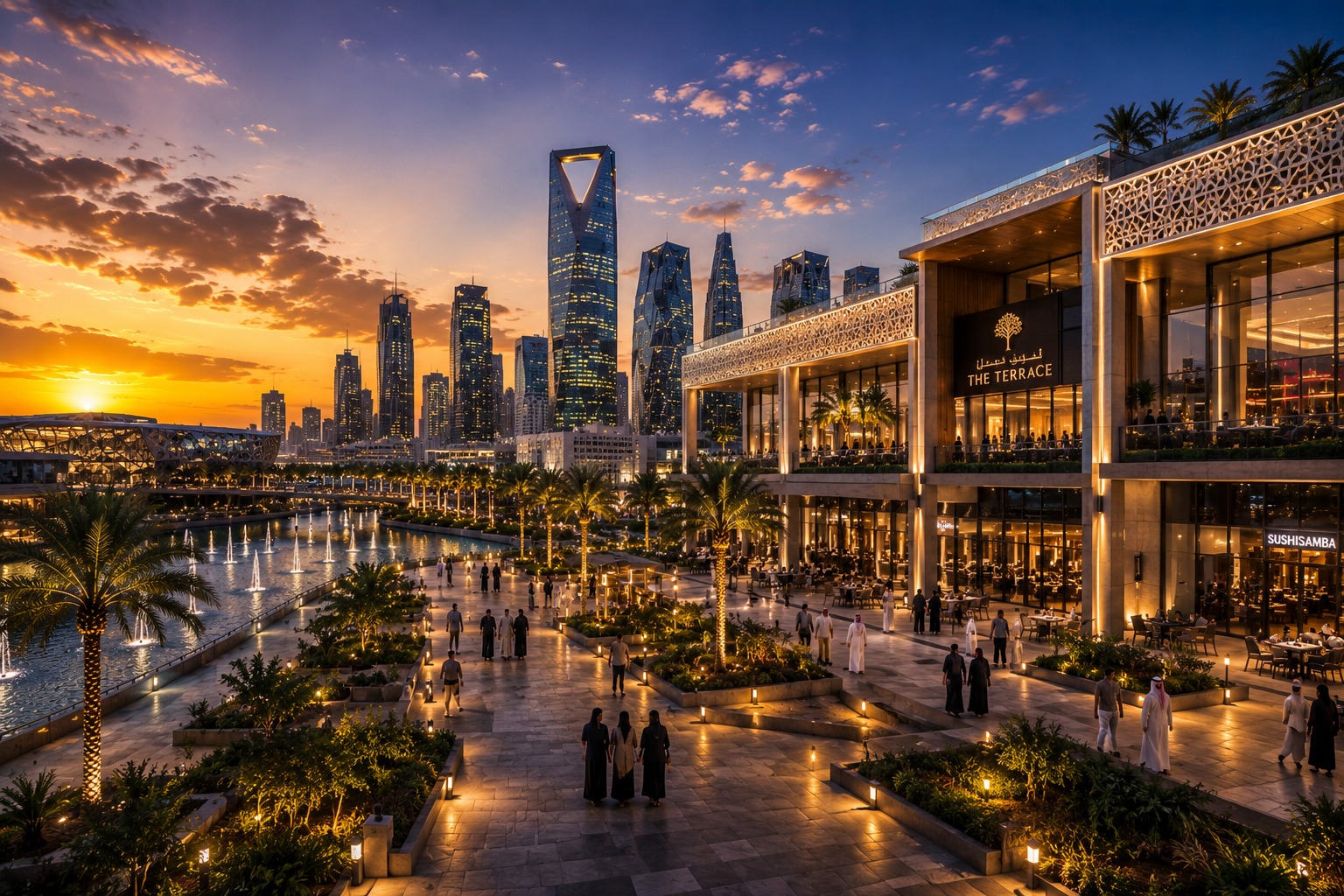
Saudi Arabia is moving through a remarkable phase of transformation, and Riyadh is at the centre of that progress. As the city continues to grow through major residential, commercial, hospitality, and mixed-use developments, sustainability has become more than a design ambition. It is now a clear expectation, shaping how projects are planned, managed, and delivered.
From a PMC leadership perspective, the real challenge is not only meeting a certification target. It is ensuring that the entire project team works with a shared understanding of what quality, performance, and long-term value should look like. In that sense, LEED is not simply a checklist of credits. It is a framework that tests how well a project is led, coordinated, and executed from start to finish.
Sustainability Starts Early
One of the most important lessons I have learned throughout my career is that sustainability objectives must be established early. In Riyadh and across Saudi Arabia, project timelines are often demanding, and decisions made at concept and design stage have a lasting effect on cost, programme, and technical performance.
Energy efficiency, water use, material selection, indoor environmental quality, and construction practices should be considered before the design becomes fixed. Once the project moves too far forward, options become narrower and solutions become more difficult to implement.
Early planning allows the project team to make better decisions. It also helps avoid unnecessary revisions later in the process. When sustainability is introduced at the right stage, it becomes part of the project logic rather than an added burden.
That is where PMC leadership becomes essential. A strong PMC team keeps the project aligned, ensures responsibilities are clear, and maintains momentum across all disciplines. It connects the client’s goals with the designer’s intent and the contractor’s execution.
Coordination is the Real Key to LEED Success
In practice, achieving LEED points is often more about coordination than theory. A project may have a well-developed sustainability strategy on paper, however, delivery can still be affected by missing documentation, late submittals, material substitutions, or gaps in commissioning.
These issues are common, especially in fast-moving projects, but they must be managed with discipline. The PMC must keep the process visible and ensure that every requirement is tracked, reviewed, and closed in time.
This is why a structured approach is so important. Credit responsibilities should be clearly defined from the outset. Each sustainability requirement should have an owner, a due date, and a practical path for completion.
Regular review meetings, documentation logs, and follow-up with consultants, contractors, and suppliers help prevent small issues from turning into larger delays. Sustainability cannot be treated as a side activity. It has to be managed as part of the main delivery process.
Site Execution: Where Intent Meets Reality
Construction is often where the difference between intent and outcome becomes clear. On site, teams are working under pressure to maintain progress, control cost, and manage multiple interfaces. In that environment, even a small lapse can affect compliance.
Waste segregation, dust control, housekeeping, protection of installed materials, and proper sequencing are all part of keeping the project on track. These are not minor site concerns. They are practical steps that support both compliance and quality.
The reality is simple: sustainability is not achieved in meeting rooms alone. It is achieved through consistent daily execution on site.
Why Early Commissioning Matters
Commissioning is another area where early involvement makes a real difference. Too often, it is left too late and treated as a final handover task. In reality, commissioning should begin much earlier and remain coordinated throughout the project.
Early commissioning helps identify issues before they affect handover, supports better building readiness, and improves performance after occupancy. In a climate like Saudi Arabia’s, where energy use and indoor comfort are critical, this stage has a direct impact on the building’s long-term value.
A properly commissioned building performs better, operates more efficiently, and provides a stronger experience for occupants from day one.
Procurement Must Support Sustainability Goals
There are also important lessons from procurement. Suppliers must understand the project’s sustainability expectations before materials are ordered. Environmental documentation, testing data, and product compliance should be checked early, not after delivery.
If procurement is not aligned with the project’s objectives, even a well-designed solution can become difficult to defend later.
This is one of the reasons PMC leadership matters so much: it helps bring procurement, design, and execution into the same line of responsibility.
Managing Change with Discipline
Another lesson is that change must be managed carefully. A substitute product, a revised method statement, or a sequence adjustment may appear minor, but it can affect a credit or compromise a sustainability target.
The PMC must review such changes with a clear understanding of both technical and compliance implications. That discipline saves time, reduces rework, and protects the integrity of the project.
Strong project governance is not about slowing progress. It is about protecting delivery quality while maintaining momentum.
The Long-Term Value of Sustainable Projects
The benefits of this approach are substantial. Projects that are managed well from a sustainability perspective can reduce energy and water consumption, improve occupant wellbeing, strengthen operational efficiency, and increase lifecycle value.
In Saudi Arabia, where the scale of development is expanding rapidly and the standard of delivery continues to rise, these outcomes are increasingly important. They support not only the client’s objectives, but also the broader direction of the Kingdom’s development.
At the same time, it is important to be realistic. Delivering sustainability requires more coordination, more documentation, and more discipline from every member of the project team. It adds pressure, especially when programmes are tight and expectations are high.
However, experience consistently shows that the cost of addressing these requirements late in the project is much higher than planning for them at the beginning. Early integration is simply the smarter approach.
Defining Real Project Success
For me, the real measure of success is not only whether a project reaches a certification level. It is whether the team has delivered a building that performs well, serves its users effectively, and contributes positively to the built environment.
In Riyadh, where transformation is visible across the skyline and the expectation for quality continues to grow, that standard matters even more.
Sustainable success comes from leadership that links vision with execution. It comes from teams that communicate clearly, act early, and remain accountable. And it comes from a shared understanding that the value of a project is measured not only at handover, but throughout its life.
Ultimately, the most successful projects are remembered not only for what they achieved on paper, but for the quality they delivered, the challenges they overcame, and the lasting legacy they created for Saudi Arabia.
“Stay ahead of the story. This is The Riyadh Journal”
